The Power of Floor Plans: Why Layout is the Logic of Real Estate Sales
In the visual world of real estate, high-end photography and cinematic videos capture the heart. But there is one essential tool that captures the mind of the buyer: The Floor Plan. Research from top property portals like Zillow and Rightmove shows that over 80% of buyers are less likely to visit a home if a floor plan is missing from the listing. In 2026, as remote buying and international relocation become more common, a professional floor plan is the blueprint of a successful sale.
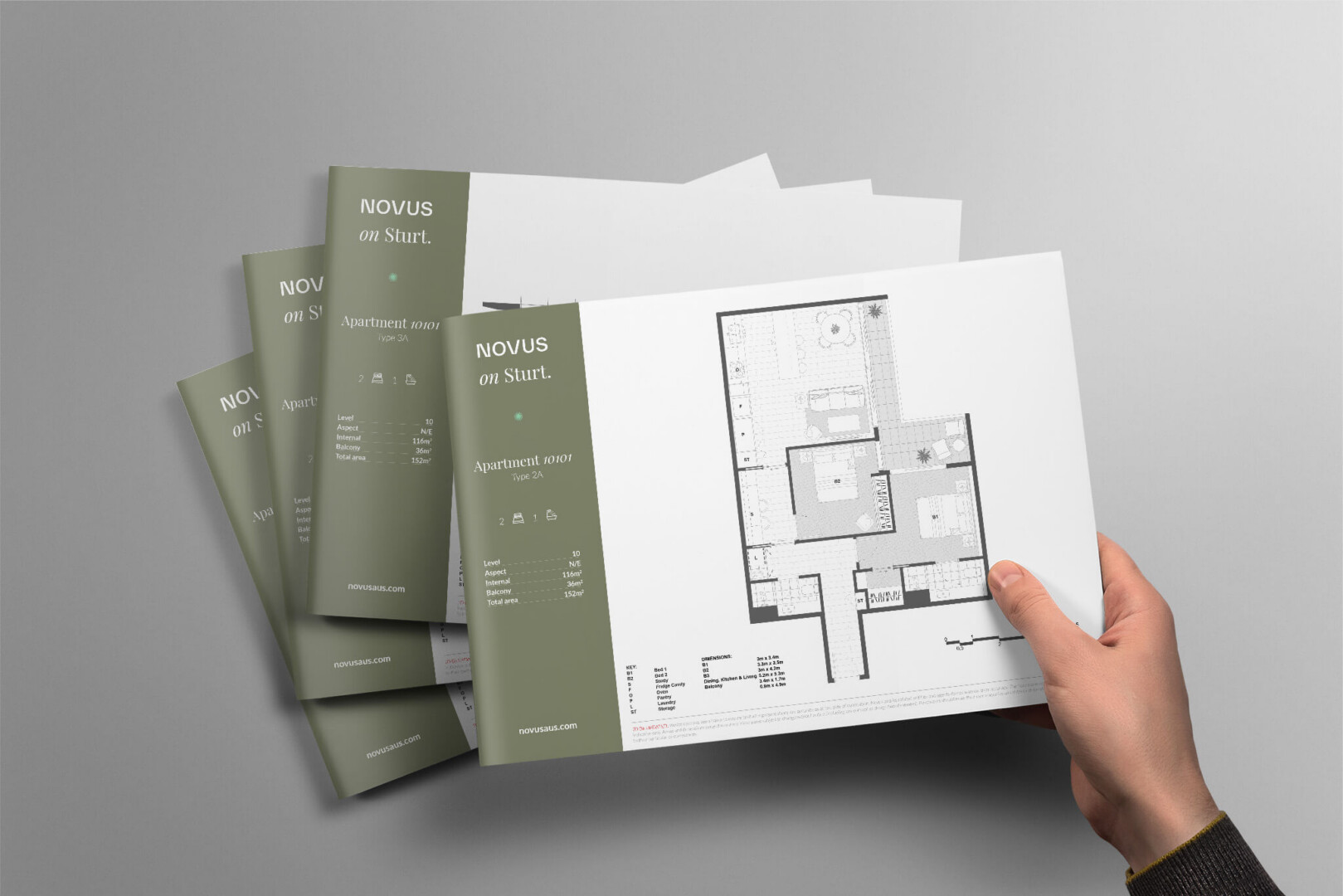
1. Why Every Listing Needs a Floor Plan
Spatial Awareness
Photos can be deceptive. A wide-angle lens can make a small room look huge, or a hallway look endless. A floor plan provides the objective truth. It allows buyers to see the exact relationship between rooms—where the master bedroom is located relative to the kitchen, or if the home office is quiet and secluded.
Furniture Planning
The first thing a serious buyer does is mentally place their furniture. “Will my sectional sofa fit in this living room?” “Is there space for a dining table near the window?” A floor plan with clear measurements answers these questions instantly, reducing the “uncertainty” that leads to hesitation.
Increased Engagement
Properties with floor plans spend 50% more time on the screen. Buyers use them to “walk through” the house while looking at the photos, creating a deeper mental connection with the property.
2. Types of Floor Plans in 2026
Depending on the property type and marketing budget, there are three main styles of floor plans:
2D Black & White (The Standard)
Clean, professional, and easy to read. These are perfect for technical accuracy and print brochures. They include room labels, dimensions, and total square footage.
2D Full Color & Textured
These go a step further by adding colors for flooring (e.g., light wood, grey tile) and basic furniture icons. This helps the buyer visualize the “zones” of the house more clearly.
3D Floor Plans (The Premium Look)
3D plans provide a “dollhouse” view of the home. They include 3D furniture, shadows, and textures. This is the ultimate tool for luxury listings and “fixer-uppers” because it makes the layout feel like a real living space.
3. The Transformation: From Hand-Sketch to Pro-Draft
In 2026, you don’t need a professional surveyor to create a floor plan. A Real Estate Editor can transform a basic hand-drawn sketch or a simple 2D blueprint into a high-end marketing asset.
-
The Sketch: The agent or homeowner draws a rough sketch on paper with measurements.
-
The Digital Draft: The editor uses CAD (Computer-Aided Design) software to create a clean, scaled 2D vector file.
-
The Branding: The editor adds the realtor’s logo, brand colors, and a disclaimer (e.g., “All measurements are approximate”).
-
The 3D Render (Optional): The editor extrudes the walls and adds 3D assets to create a stunning perspective view.
4. Floor Plans and Virtual Tours (The 2026 Hybrid)
The latest trend in real estate marketing is the Interactive Floor Plan. When a buyer clicks on a specific room in the floor plan, it instantly opens a 360-degree photo or a video of that exact space. This creates a “Map and View” experience that is far more effective than a random gallery of photos.
5. Comparison: 2D vs. 3D Floor Plans
| Feature | 2D Floor Plan | 3D Floor Plan |
| Primary Goal | Clarity & Measurements | Visualization & Lifestyle |
| Best For | Print & Technical data | Online Listings & Social Media |
| Cost | Budget-friendly | Mid-range |
| Buyer Feedback | “I know where everything is.” | “I can see myself living there.” |
Conclusion: Don’t Leave Your Buyers Guessing
A property without a floor plan is like a book without a table of contents. It might be beautiful, but it’s hard to navigate. By providing a professional, easy-to-read floor plan, you are providing the logic and transparency that modern buyers demand.