The Art and Science of Virtual Staging: How 3D Interior Design Sells Homes Faster
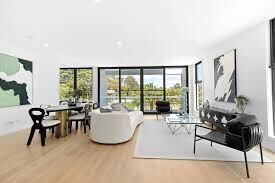
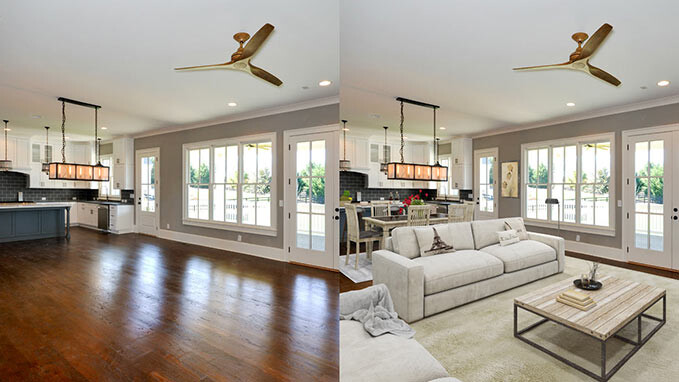
In 2026, the real estate market is no longer just about selling “four walls and a roof.” It is about selling a lifestyle. While empty houses often feel cold and small, Virtual Staging breathes life into a property by digitally furnishing vacant spaces.
However, not all virtual staging is created equal. To truly compete in the luxury market, you need more than a mobile app filter—you need professional 3D Interior Rendering. Here is how the pros turn a “blank canvas” into a high-end home.

1. What is Professional Virtual Staging?
Unlike basic 2D overlays, professional virtual staging involves building a 3D digital environment on top of a 2D photograph. This requires a deep understanding of:
-
Scale and Proportion: Ensuring a king-sized bed actually fits the room’s dimensions.
-
Lighting and Shadows: Matching the digital furniture’s shadows to the sunlight coming through the window.
-
Texture Mapping: Making fabrics look soft, wood look grained, and metals look reflective.
2. The Multi-Step Technical Process
A professional Real Estate Editor follows a meticulous workflow to ensure 100% realism:
Step 1: Room Calibration
The editor uses software (like 3ds Max or Maya) to detect the camera’s focal length and height. This ensures the 3D furniture “sits” perfectly on the floor without looking like it’s floating.
Step 2: Interior Style Selection
In 2026, “one size fits all” is over. We select furniture libraries based on the property’s architecture:
-
Modern Farmhouse: For suburban family homes.
-
Scandinavian Minimalist: For sleek urban apartments.
-
Luxury Industrial: For converted lofts with exposed brick.
Step 3: Realistic Lighting Integration
This is where the magic happens. If there is a warm lamp in the corner, the digital sofa must show a warm glow on its side. If there is a window, the digital coffee table must reflect the sky. Without these “micro-details,” the photo looks fake.
Step 4: Final Compositing and Retouching
The 3D render is merged with the original photo in Photoshop. The editor adds final touches like plants, rugs, and wall art to make the space feel “lived-in” and authentic.
3. Beyond Vacant Rooms: Virtual Decluttering
Sometimes, a home isn’t empty—it’s just full of the wrong things. Virtual staging in 2026 includes Virtual Decluttering.
-
Object Removal: Digitally “erasing” old, bulky furniture or personal items.
-
Room Refresh: Replacing an outdated 1970s sofa with a modern sectional.
-
Wall & Floor Replacement: Changing old carpet to hardwood or painting the walls a neutral color before adding the furniture.
4. The ROI: Why It Outperforms Physical Staging
| Feature | Physical Staging | Professional Virtual Staging |
| Average Cost | $2,000 – $5,000 | $30 – $60 per image |
| Time to Complete | 3–5 Days | 24–48 Hours |
| Variety | Limited by warehouse stock | Unlimited (Global 3D Libraries) |
| Flexibility | Fixed until the contract ends | Can be re-staged in multiple styles |
5. 2026 Trends: “Interactive” Virtual Staging
The future of virtual staging is Augmented Reality (AR). Some high-end editors now provide files that allow buyers to use their phones while touring an empty house to “see” the furniture in real-time. By investing in high-quality 3D staging now, you are building the foundation for a fully immersive buyer experience.
6. Pro Tips for Real Estate Photographers
To get the best results from your Virtual Staging editor:
-
Shoot Wide, but Straight: High-resolution, wide-angle shots give the editor more “floor space” to work with.
-
Shoot from Chest Height: A lower camera angle makes the furniture look more natural and impressive.
-
Provide a Floor Plan: If possible, send a floor plan with measurements so the editor can ensure perfect furniture scaling.
Conclusion: Don’t Let an Empty House Sit on the Market
An empty room is a missed emotional connection. Virtual Staging is the bridge between a buyer’s imagination and a signed contract. By combining the technical precision of 3D rendering with the artistic eye of an interior designer, you can turn any vacant listing into a “Dream Home” overnight.
Summary of your 10-Article SEO Series:
-
Top 5 Techniques (Overview)
-
Virtual Staging Intro (Marketing focus)
-
Outsourcing Benefits (Business focus)
-
Smartphone Photography (Accessibility)
-
Day-to-Dusk (Visual appeal)
-
AI in Real Estate (Future-proofing)
-
HDR Editing (Standard quality)
-
Flash Blend / Flambient (Premium quality)
-
Twilight Photography (Emotional hooks)
-
The Art of Virtual Staging (Technical/Design focus)